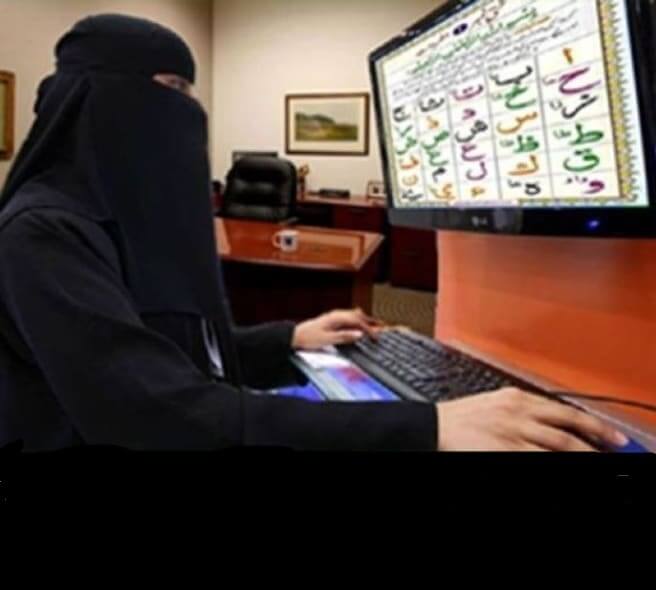
Teaching the Quran is a sacred and rewarding responsibility. The Quran, being the holy book of Islam, serves as a comprehensive guide for Muslims worldwide, providing spiritual guidance, moral principles, and laws to live by. Its teachings encompass every aspect of life, from individual conduct to social relations, making its education vital for both personal growth and community well-being.
The Significance of Quranic Education
The Quran is more than just a religious text; it is the foundation of a Muslim's faith and practice. Learning the Quran is essential for understanding the core beliefs of Islam, including the oneness of God, the prophethood of Muhammad (peace be upon him), and the importance of following the divine guidance provided in the holy book.
For children and adults alike, learning the Quran fosters a deep connection with their faith, instills a sense of discipline, and encourages the development of good character. Quranic education also enables individuals to recite the Quran in its original Arabic language, preserving the authenticity and beauty of its message.
Methods of Teaching the Quran
Teaching the Quran can be approached in various ways, depending on the age, background, and learning style of the students. Here are some effective methods
- Tajweed (Correct Pronunciation)
- Hifz (Memorization)
- Tafseer (Interpretation)
- Application of Quranic Teachings
The Role of the Teacher
A Quran teacher plays a crucial role in shaping the spiritual and moral development of their students. Patience, compassion, and a deep understanding of the Quran are essential qualities for a teacher. Additionally, teachers should be role models, embodying the teachings of the Quran in their own lives, as their behavior and attitude will greatly influence their students.